
Why Creativity Matters: The Role of the Arts in Steiner Education
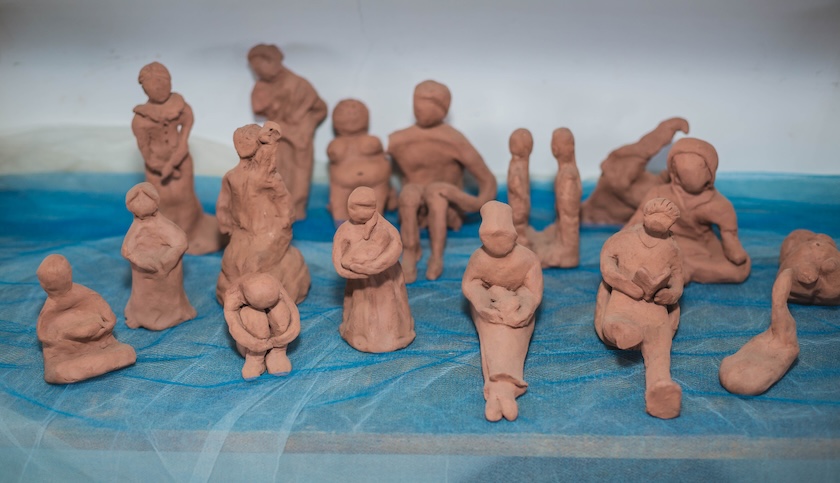
Creativity is not just an extracurricular pursuit—it is an essential part of human development. In Steiner education, the arts are seamlessly integrated into daily learning, not as optional add-ons but as a fundamental way of understanding and interacting with the world. At Tridha, we believe that when children engage in creative expression, they develop critical thinking skills, emotional intelligence, and a deep sense of joy in learning.
Music, painting, drama, and handcrafts are woven into the curriculum from the early years through High School. These artistic experiences are not just about skill-building; they help students develop patience, focus, and the ability to work through challenges. For example, learning to play a musical instrument requires dedication and perseverance, while working with natural materials in handcrafts teaches problem-solving and fine motor skills.
Research continues to show that creativity enhances cognitive development, helping children think more flexibly and approach problems with innovative solutions. In a world where adaptability and original thinking are more valuable than ever, a Steiner education ensures that students are not just consumers of information but creators of ideas.
At Tridha, we see every child as an artist, and every subject as an opportunity for exploration. When learning is infused with creativity, it becomes more meaningful, engaging, and transformative.
In a world that often prioritises speed, competition, and standardised achievement, Steiner education takes a different path—one that values the whole child. At Tridha, we recognize that every child is a unique individual with an innate curiosity, creativity, and drive to learn. Our approach to education nurtures not only the intellect but also the emotional and physical well-being of our students, creating a learning environment where children can truly thrive.
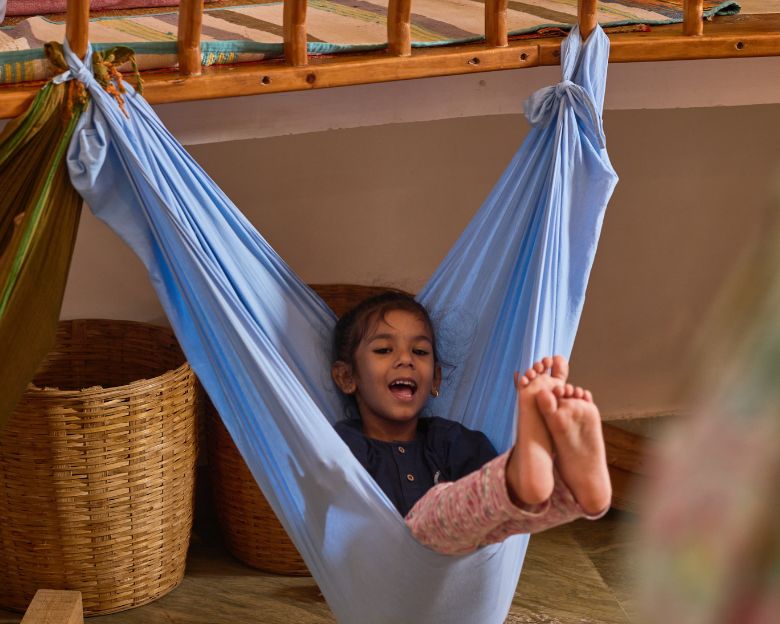
A hallmark of Steiner education is its emphasis on rhythm and balance. The school day is thoughtfully structured to harmonise focussed academic learning with artistic and practical activities, ensuring children engage their hands, hearts, and minds. By integrating movement, music, storytelling, and hands-on experiences into learning, we help students develop a deep, intrinsic love for knowledge that extends beyond the classroom.
Beyond academics, Steiner education fosters a strong sense of community and social responsibility. Tridha students learn in an environment where collaboration is encouraged, empathy is cultivated, and respect for one another and the world around them is a fundamental value. As a result, our students grow into confident, capable, and compassionate individuals, well-prepared for the challenges of the future.
At its core, a Steiner education is not just about what children learn but how they learn. By nurturing the whole child, we empower our students to become lifelong learners, equipped with the resilience and creativity to shape the world in meaningful ways.