


Nature through your eyes
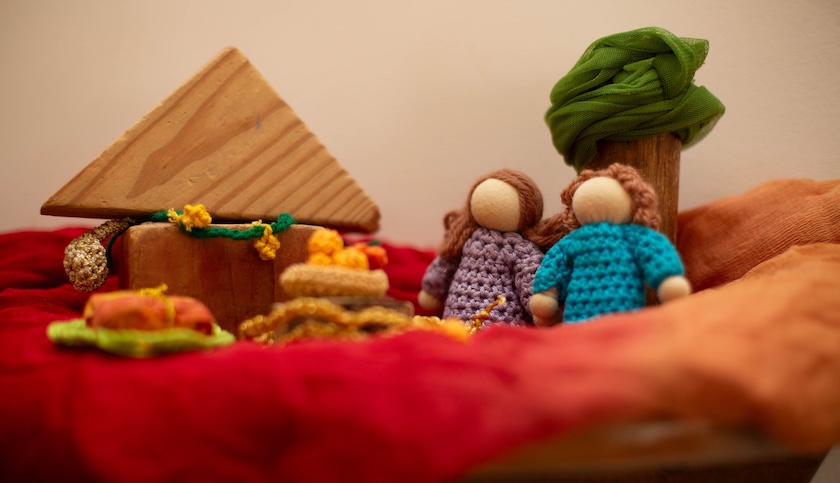
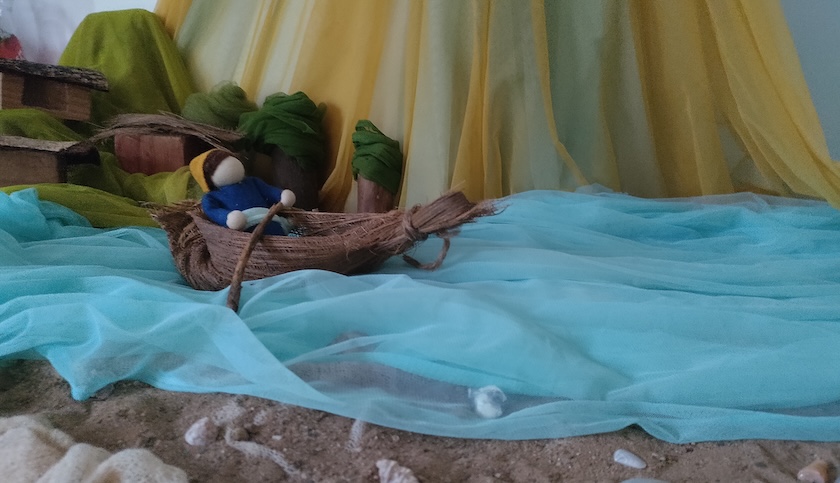
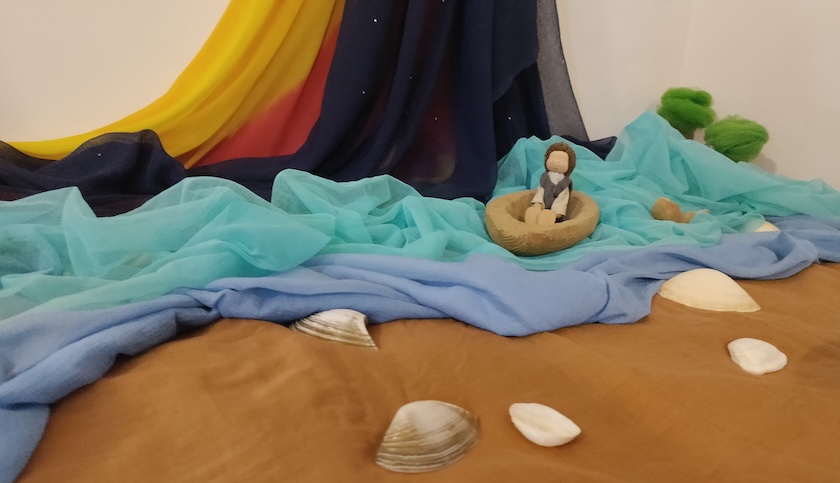
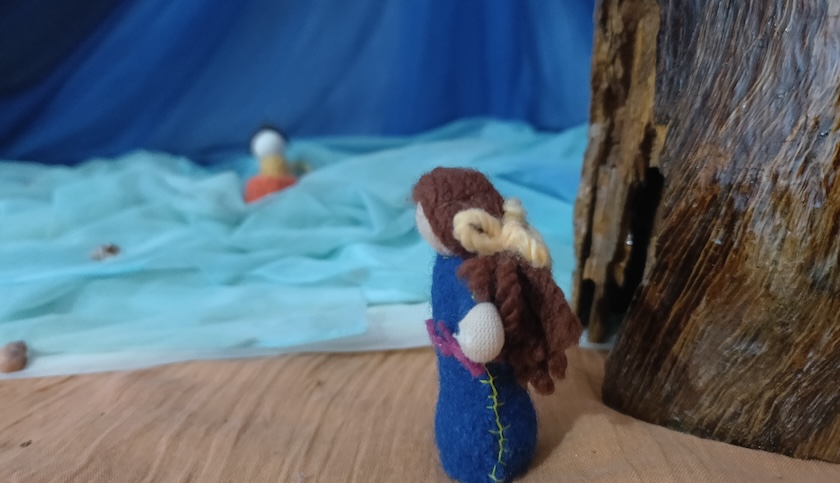
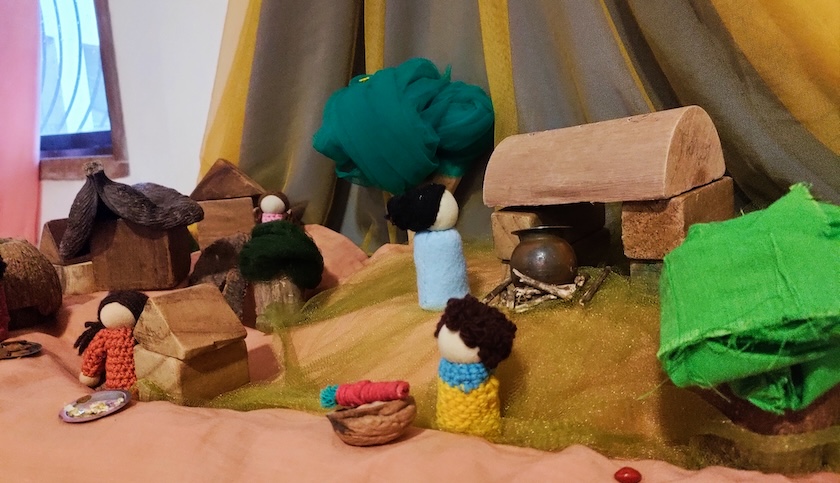
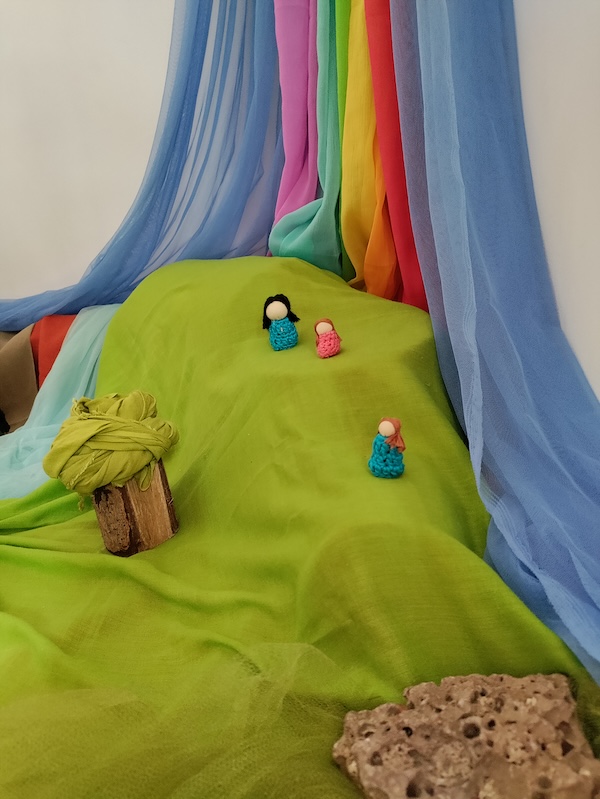
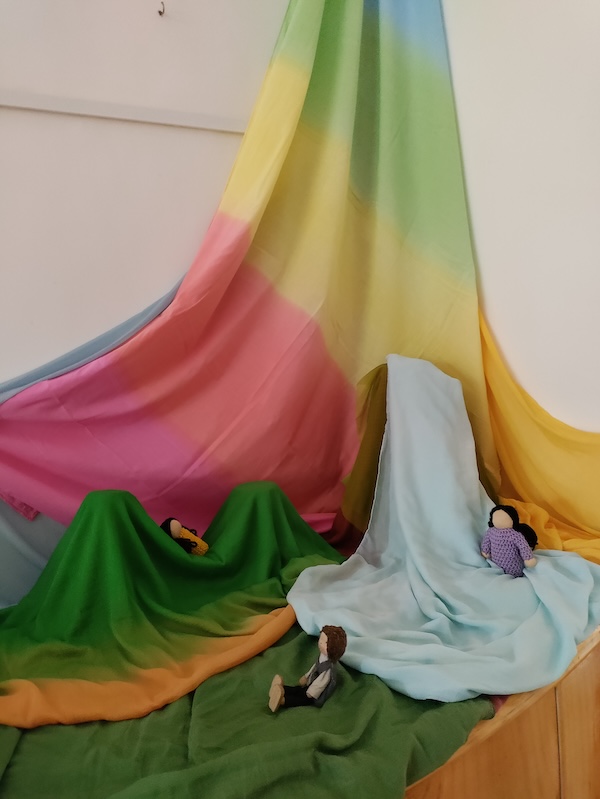
In the enchanting realm of Waldorf education, one can find a unique and delightful attribute that captivates both students and educators alike—the Waldorf School Nature Tables.
Close your eyes and imagine a place that feels safe and warm…a place that connects you to your inner most self. A place where you may feel free and open to express all that is in your heart.
An early childhood classroom must feel this way for the child. A safe haven for them to just be.

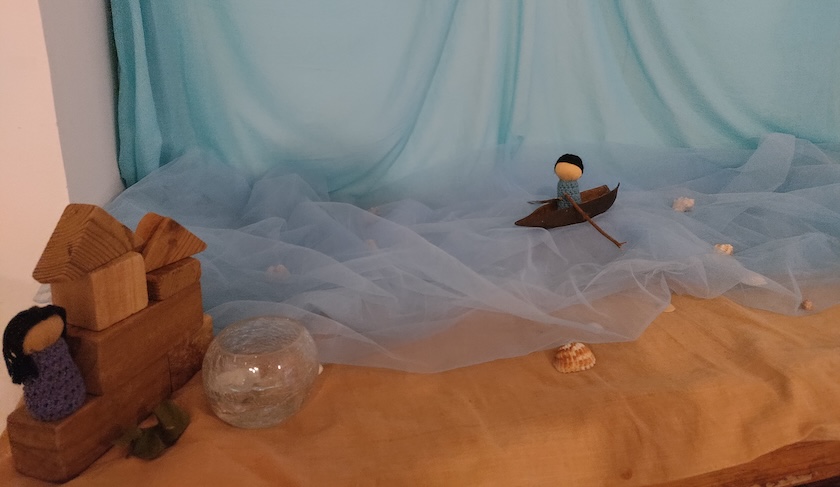
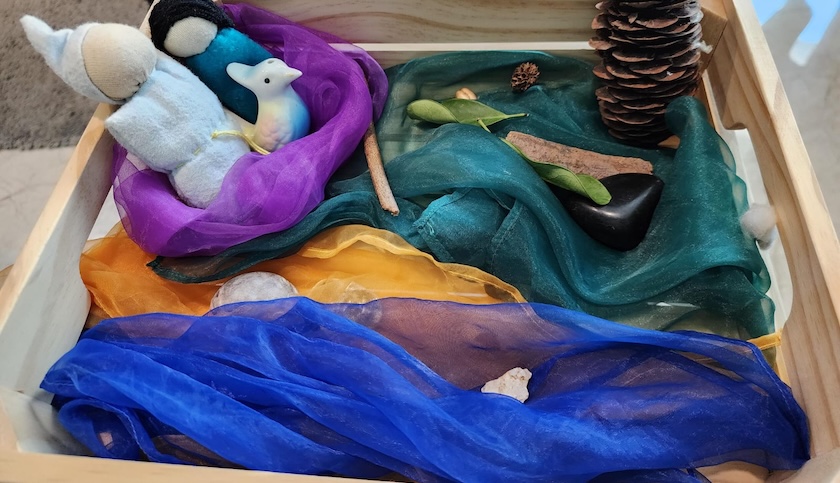
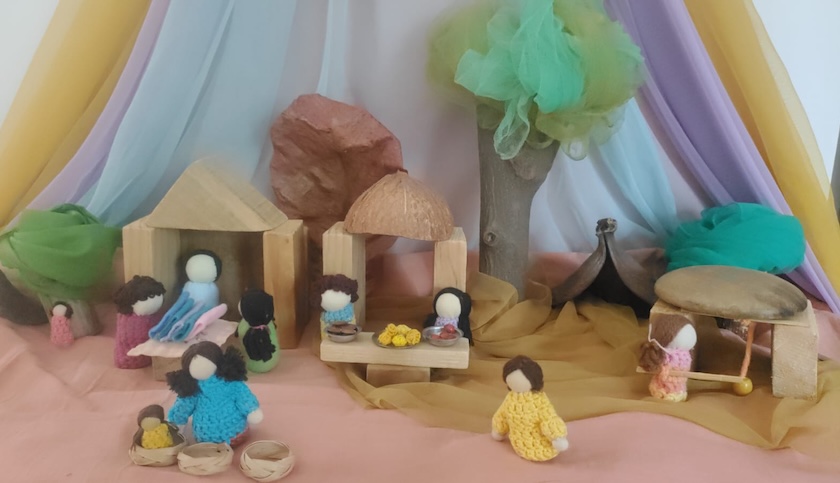
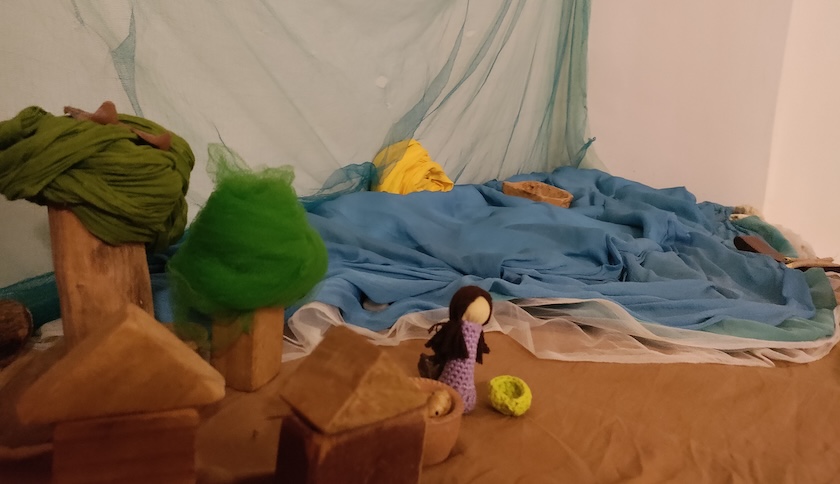
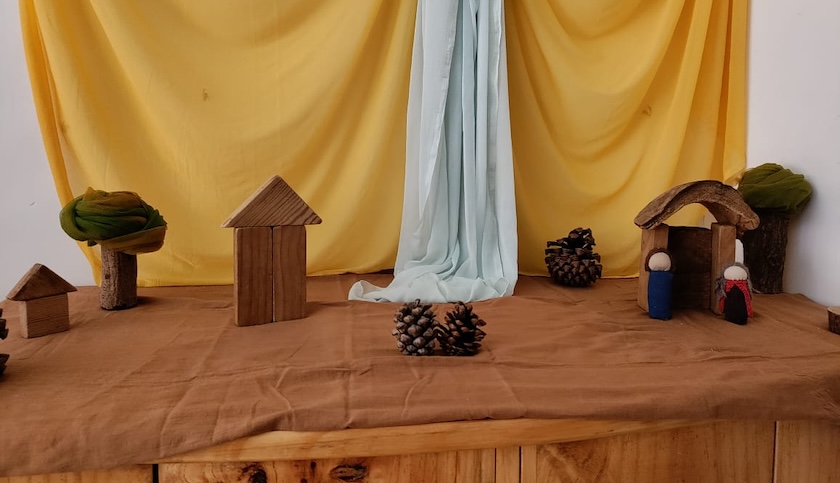
Rudolf Steiner believed that when we come into this world we are one big sense organ. We are born with no filters. There is no ability yet to distinguish things like differences in texture, soft or hard, or to feel the temperature of an object, warm in nature, or cold. As soon as we are born we take in everything. Eventually boundaries come, and we are then able to distinguish different sense experiences. Surrounding young babies with warm, beautiful things is preferable because that is all they will experience. They will begin life with a connection to the earth’s beauty through its natural textures.
In a Waldorf classroom, these carefully curated nature tables serve as a window into the wonders of the natural world, fostering a deep connection with the environment and sparking the imagination of young minds.
A Waldorf classroom seems incomplete without the adornment of a nature table. Just as the name suggests, nature tables bring together the elements of our environment and create a visual experience, bringing forth the essence of all that is around them.
A harmonious relationship with nature is fundamental to a child’s development. It is a dynamic, ever-changing display that mirrors the seasons and engages students in a multi-sensory exploration of the world around them.
Natural materials such as seasonal foliage, stones, seashells, and wooden figures find their place on these tables, creating a sensorially rich experience for children. The tables evolve with the changing seasons, reflecting the cyclical nature of life and inviting students to observe and appreciate the beauty of transformation.
Teachers play a crucial role in curating these displays, carefully selecting items that align with the curriculum and thematic lessons. Through the Nature Table, educators weave a narrative that complements classroom teachings, allowing students to connect theoretical knowledge with tangible, hands-on experiences.
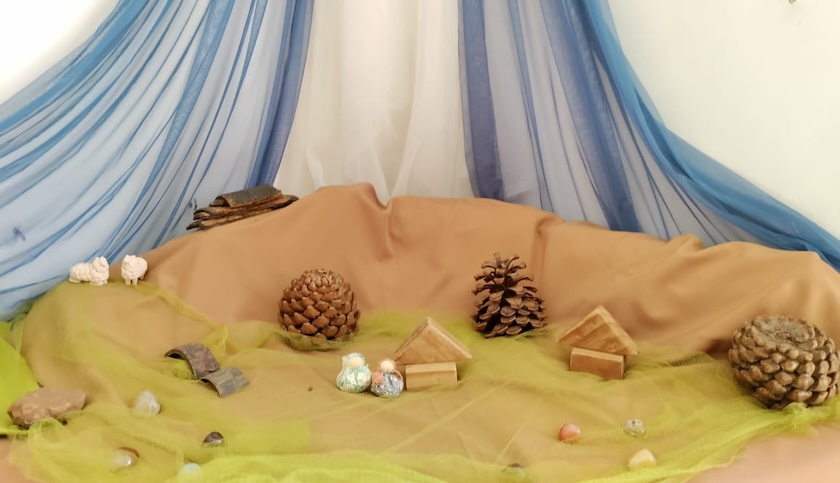
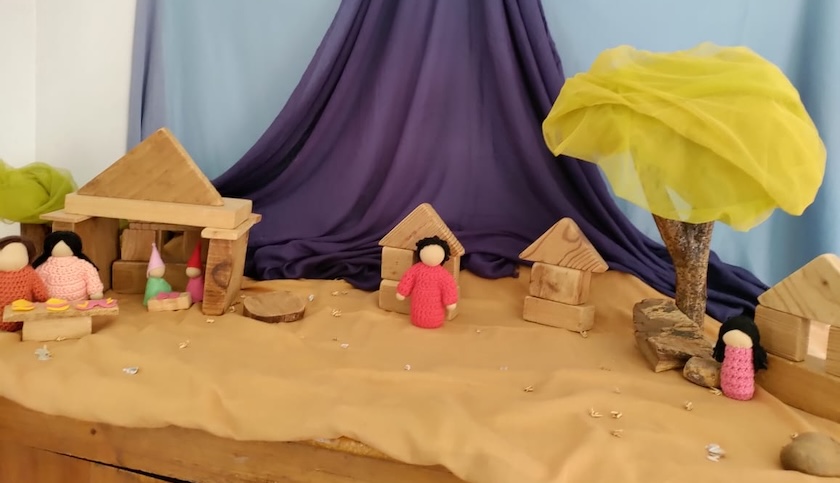
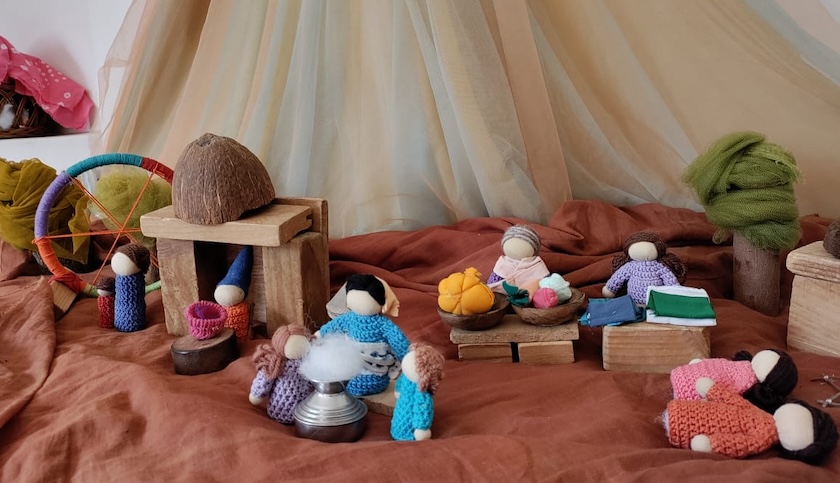
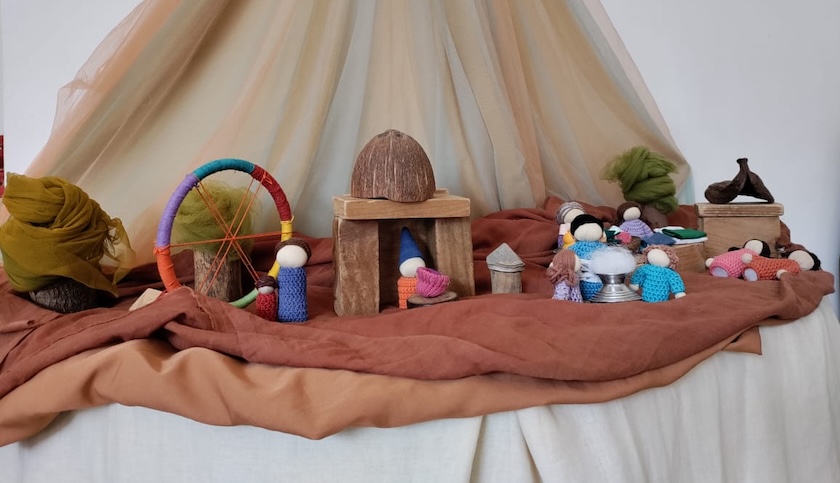
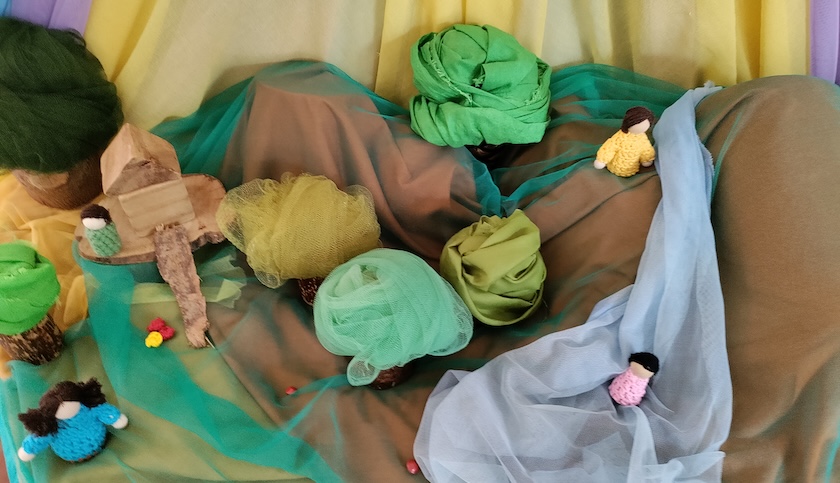
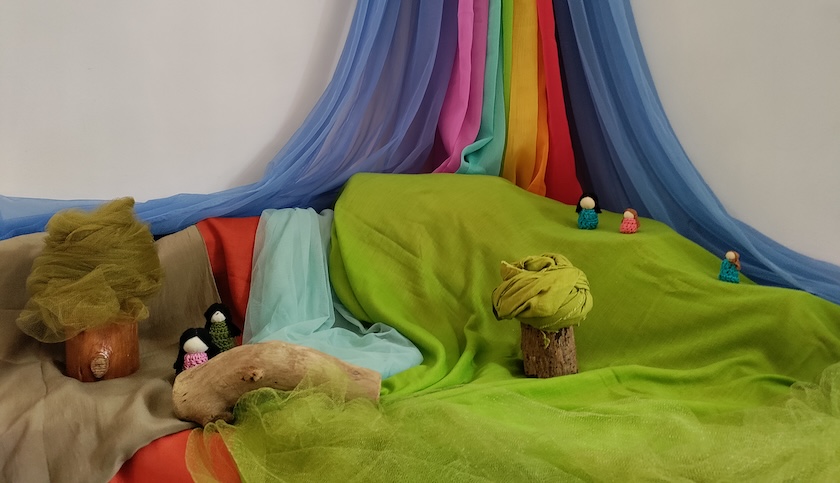
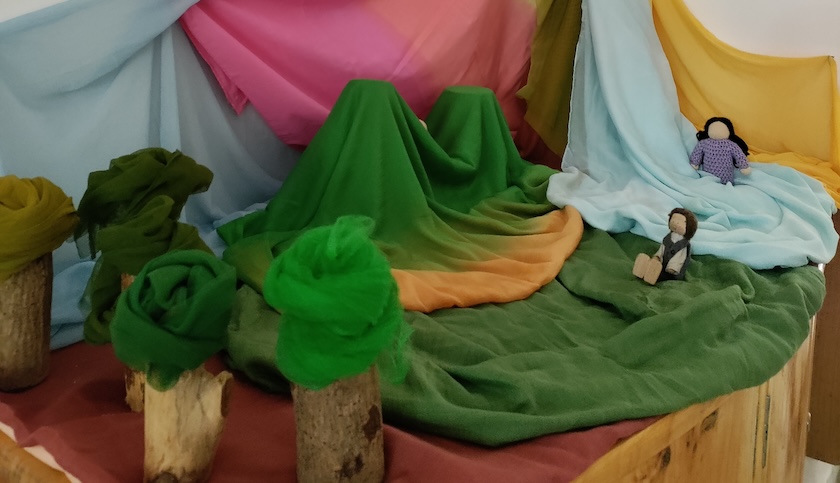
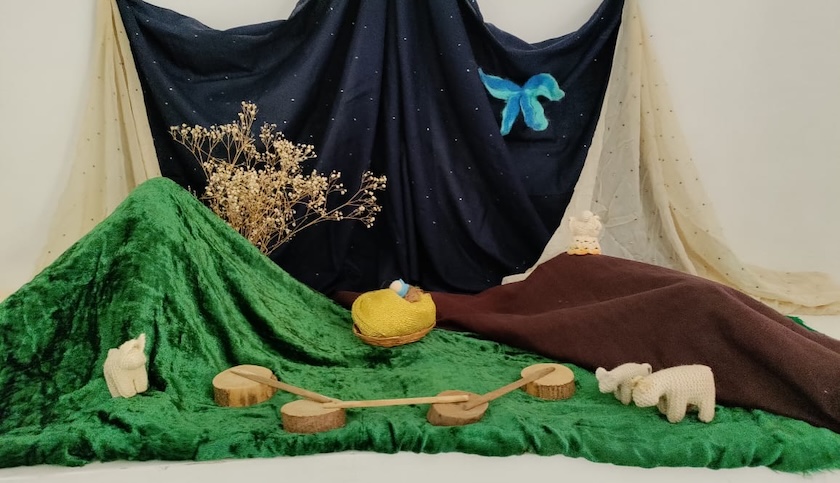
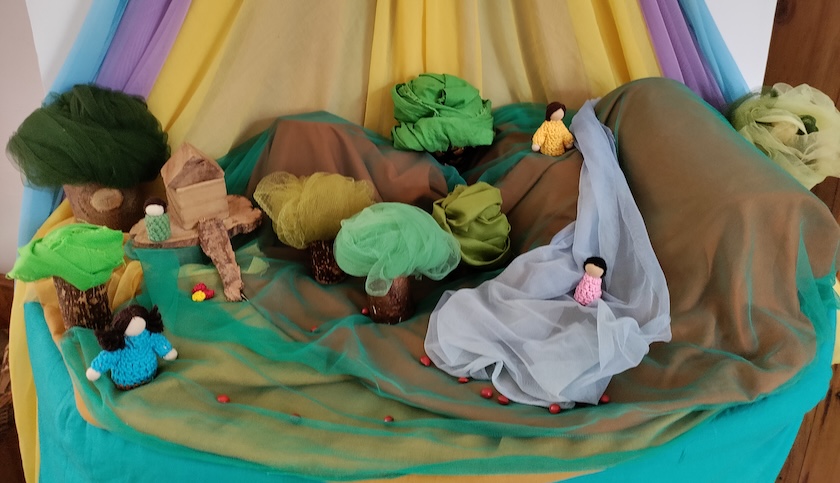
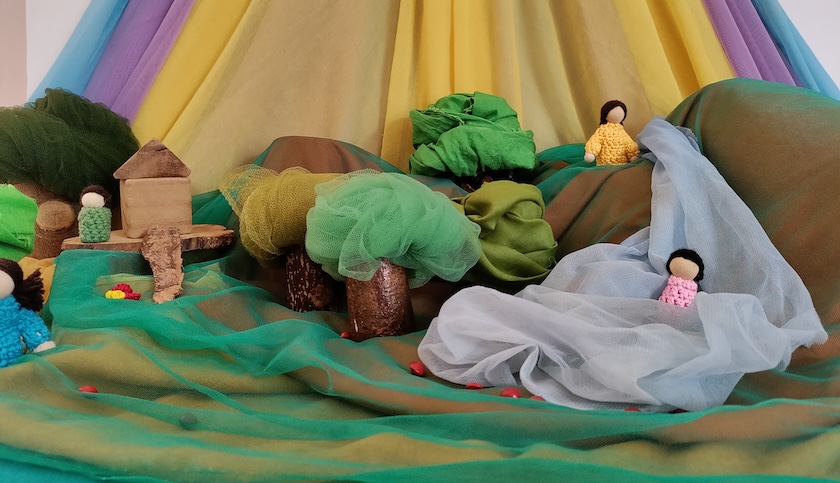
Moreover, the Nature Table serves as a focal point for storytelling and creative play. Students are encouraged to interact with the display, rearrange elements, and create their own narratives.
Through engaging with these displays, children develop observational skills, hone their sensory perceptions, and cultivate a deep connection with the natural world.
The Nature Tables also inspire a sense of wonder and reverence for the environment, encouraging children to develop a mindful relationship with nature. They serve as a reminder of the beauty and harmony found in the world around us, fostering a sense of respect for the planet.
Parents, too, are encouraged to participate, fostering a bridge between the classroom and home. They can join in creating the displays, sharing stories, or exploring nature with their children, reinforcing the lessons learned in school.
In essence, Waldorf nature tables transcend being mere decorative pieces; they encapsulate the essence of Waldorf education, nurturing a deep connection between children and the natural world while enriching their educational journey. These simple yet thoughtful displays serve as a reminder that the classroom extends beyond its walls into the intricate beauty of nature, inviting both children and adults to marvel at its wonders.



This post has been authored by Avantika Bhatnagar, Kindergarten Class Teacher.